A thief's haul sits frozen on Arbitrum One, and the exchange it was stolen from has asked the network's token holders to hand it back. The question is not whether the money belongs to Binance, but who has the right to release an emergency seizure — and whether a unanimous vote settles that question.
Snapshot published the result of the Arbitrum DAO vote on 16 November 2026. It recorded 832 voters and 148.66 million votes of voting power, with 100.0% in favour, 0.0% against and 0.0% abstaining. The proposal, titled “[Constitutional] AIP: Approve Release of Frozen ETH and ARB”, seeks approval for the release of 8,425.997 ETH and 74,559,805.2 ARB. That tally answers the governance question in the clearest possible way, yet it moves no money by itself.
A DAO is a group governed by people who hold its tokens, and those holders vote on written proposals. Voting power is the weight carried by the tokens behind each vote, so a large holder counts for more than a small one. Arbitrum One is the network where the frozen assets were held, and the Arbitrum Security Council is the body that seized them. Understanding those roles matters, because the vote changes who controls the next step.
Emergency seizure, governed release
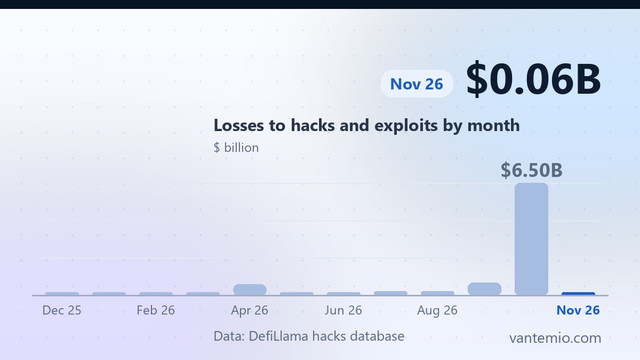
The proposal dates the seizure to 29 October 2026, when the council took the exploiter’s holdings on Arbitrum One and moved them to 0x0000000000000000000000000000000000000DA0. It describes the council as acting in a “true security emergency”, and places the action inside a broader effort across the ecosystem that, in the proposal’s account, has frozen over $3bn. Emergency action explains the speed of the seizure, but speed alone cannot justify keeping the assets locked away without a decision by token holders.
That distinction sits at the centre of the dispute the vote resolves. A council can act quickly when a theft is under way, yet a single body should not decide on its own what happens to seized property afterwards. Putting the release to a constitutional proposal gave every token holder a public record of the choice and placed the decision under the DAO’s authority. The vote therefore completes a sequence that began with force and ends, for now, with consent.
Binance asked for its own money back
Binance is named in the proposal as its author, which sharpens the tension. The exchange asks token holders to approve sending the money back to Binance, the owner of the wallet from which it was taken, for application as described under “Use of Funds” to “help make affected Binance users whole”. A proposal written by the party seeking the money invites a harder look than one written by a neutral administrator, because the beneficiary also framed the terms.
Unanimity could still carry two meanings, and the vote record alone cannot separate them. One reading is that holders endorsed Binance’s account of the theft and its plan for the money. Another is that nobody was prepared to defend keeping property taken in a theft, whatever they thought of the plan. Binance also says it will cover all losses, using the SAFU Fund and the company’s treasury, a commitment that sits beside the recovery request rather than replacing it.
A mandate with a narrow scope
For a holder of ARB, the practical scope is narrower than a headline about stolen funds might suggest. Snapshot records the choice token holders made, and the proposal text gives the proposers’ own reasons and expectations. Whether and when a decision is carried out on-chain rests with the DAO and its executors, so approval and transfer remain different acts. The vote gives the freeze a governed ending instead of leaving the assets immobilised while the theft is dealt with elsewhere.
That procedural value explains why the form mattered. Token holders were not asked to chase the thief or to judge every later payment to users. They were asked to decide whether an emergency seizure should end with a return to the named owner. A divided result would have left that question open and invited a challenge to the council’s action; a unanimous result removes that opening, even though it settles nothing about the timing of the transfer.
Execution will test the vote
Timing was never presented as immediate. The authors say they know the decision involves the full governance process and may take approximately seven weeks or longer to complete. That warning matters for anyone waiting for the money to move, because a vote that looks decisive on a results page still leaves weeks of procedure between approval and delivery.
The evidence here is limited to the vote record and the proposal text, which show what was proposed, who proposed it, how holders voted and what the authors said the funds were for. What comes next will be tested by an on-chain transfer of the two amounts and by any later account from Binance of how affected users were made whole. Until those readings appear, the tally proves consent, not completion.
Arbitrum’s holders have answered the question the seizure raised: an emergency body may freeze, but only the governed community can release. Their answer was unanimous, and that unanimity gives the return a mandate no divided vote could have supplied. Execution and restitution will now decide whether that mandate becomes money in the hands of the people the theft harmed.